

In a nutshell: Tereré is a cold infusion of yerba mate — Paraguay’s national drink, recognised by UNESCO as Intangible Cultural Heritage. It’s made by pouring cold water or juice over yerba mate leaves in a cup called a guampa, then sipping through a metal straw (bombilla). Think of it as the refreshing summer cousin of hot mate.
Last updated: 2026-03-08

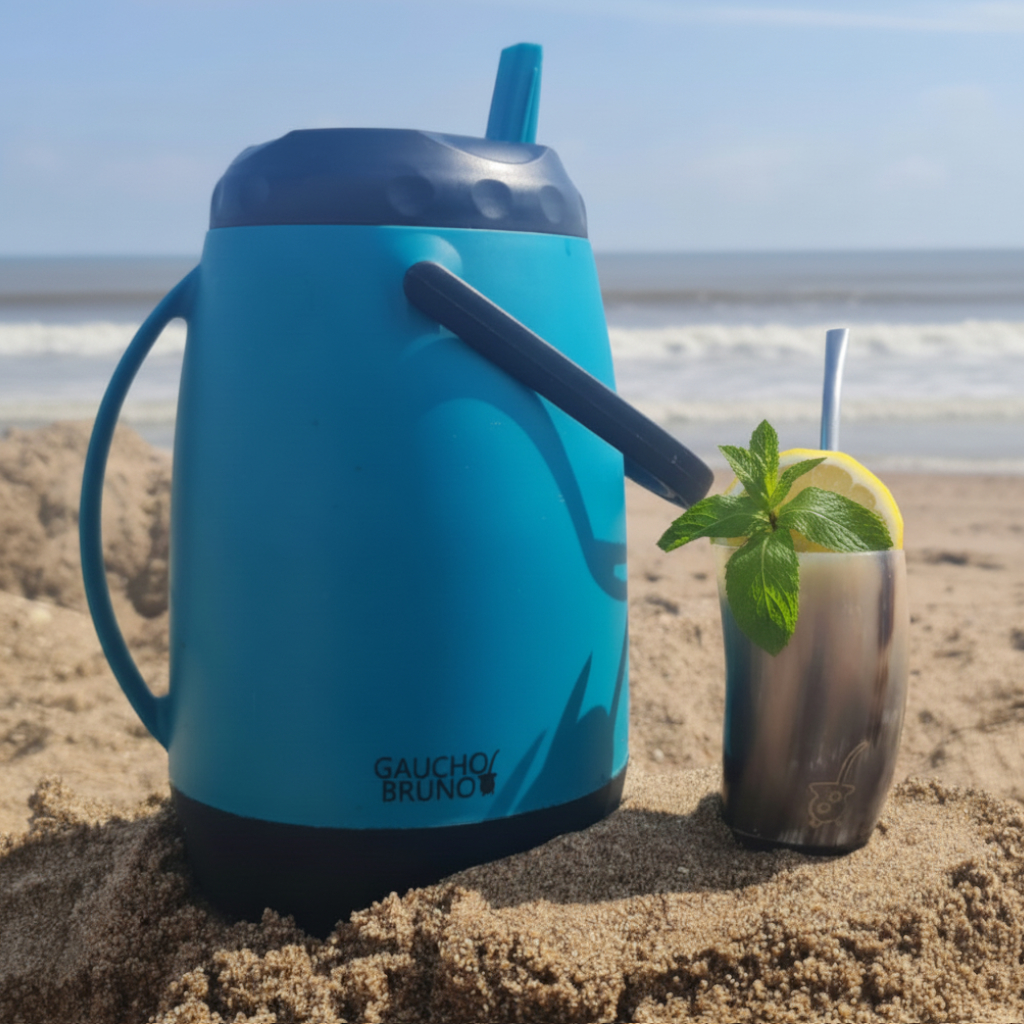
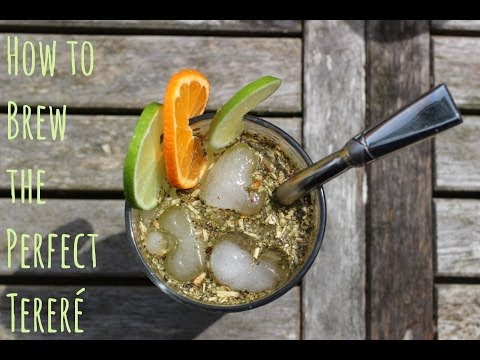
What is Tereré?
Tereré (pronounced “teh-reh-REH”) is a cold infusion of yerba mate that originated with the Guaraní people of South America. While most of the world drinks yerba mate hot, Paraguayans developed this refreshing cold version to beat the intense heat of their subtropical climate.
In December 2020, UNESCO inscribed tereré on its Representative List of the Intangible Cultural Heritage of Humanity, recognising it as “Practices and traditional knowledge of Terere in the culture of Pohã Ñana, Guaraní ancestral drink in Paraguay.” This was Paraguay’s first inscription on UNESCO’s heritage list—a testament to how deeply this drink is woven into the nation’s identity.
Tereré isn’t just a beverage; it’s a social ritual. UNESCO described it as “an intimate ritual involving a series of pre-established codes” where “the time and space dedicated to preparing and consuming the Tereré promote inclusion, friendship, dialogue, respect and solidarity.”
Every last Saturday of February, Paraguay celebrates National Tereré Day, honouring this ancestral drink that has refreshed generations.

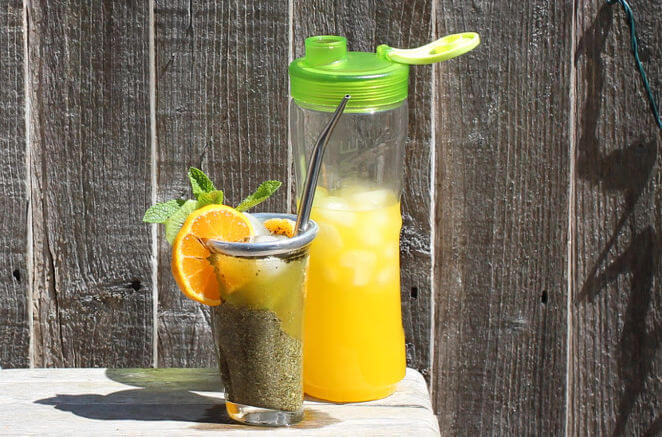
History and Origins
The story of tereré begins with the Guaraní people, who have inhabited the forests of Paraguay, northeastern Argentina, and southern Brazil for thousands of years. They discovered that the leaves of the Ilex paraguariensis plant, when steeped in water, created an energising and healthful drink.
When Spanish Jesuits arrived in the 16th century, they documented the Guaraní’s use of yerba mate in their colonial correspondence. The missionaries observed that the indigenous people drank it both hot and cold depending on the season and occasion.
During Paraguay’s devastating wars in the 19th and 20th centuries, soldiers carried tereré with them as a source of hydration and energy. The drink became a symbol of resilience and national identity during the country’s reconstruction.
Today, tereré remains the most popular way to consume yerba mate in Paraguay. You’ll see people sharing it in parks, workplaces, and family gatherings—always from a communal cup, always passed to the right as a sign of respect.
Tereré vs Mate: What’s the Difference?
If you’re familiar with traditional hot mate, you might wonder what makes tereré different. Here’s a quick comparison:
| Aspect | Tereré | Traditional Mate |
|---|---|---|
| Temperature | Cold water or juice with ice | Hot water (70-80°C) |
| Vessel | Guampa (horn or wooden cup) | Mate gourd (calabaza) |
| Origin | Paraguay | Argentina & Uruguay |
| Additions | Herbs, citrus, juice | Occasionally sugar |
| Season | Primarily summer | Year-round |
| Flavour | Milder, more refreshing | Bolder, more intense |
Taste Differences
When yerba mate is brewed hot, the heat extracts flavours, nutrients, and caffeine rapidly, creating a bold, sometimes bitter infusion. Cold water works more gently, producing a milder, more refreshing drink with subtle grassy notes.
This is similar to the difference between hot coffee and cold brew—the temperature changes everything about the drinking experience.
Energy and Caffeine
Both tereré and hot mate use the same yerba mate leaves, but you’ll experience the caffeine differently. A single tereré pour delivers roughly 30–50mg of caffeine, though a full session with multiple refills can easily reach 80mg or more. Hot mate hits faster because heat accelerates caffeine extraction. Tereré provides a gentler, more sustained energy lift—perfect for staying alert through a long, hot afternoon without the jitters.
What You Need to Make Tereré
Ingredients
Yerba Mate
Use a Paraguayan-style yerba mate for the most authentic experience. Brands like Pajarito, Selecta, and La Rubia are specifically designed for cold preparation. If you’re unsure which to choose, our guide on how to choose yerba mate can help. Any quality yerba mate will work—you may just need to experiment with quantities.
Cold Water or Juice
Traditional tereré uses plain cold water with ice. However, fruit juice is equally popular:
- Orange juice – The most common choice, especially in Argentina
- Lemonade – Refreshing and tangy
- Grapefruit juice – A bitter-sweet variation
- Pineapple juice – Tropical and sweet
- Coconut water – Light and hydrating
When using juice, consider diluting it slightly so the flavour doesn’t overpower the yerba.
Ice
Essential for keeping your tereré cold. Plenty of ice is key—this isn’t a drink meant to be lukewarm.
Fresh Herbs (Pohã Ñana)
In Paraguay, adding medicinal herbs called pohã ñana or yuyos is traditional. Common choices include:
- Mint (menta’i) – Cooling and digestive
- Lemon verbena (cedrón) – Citrusy and calming
- Lemongrass (cocú) – Fresh and aromatic
- Boldo – Digestive properties
- Burrito (liquorice verbena) – A Paraguayan favourite for digestion
- Bermuda grass (kapi’i kati) – Refreshing, one of the most popular yuyos
- Pink-sorrel (agrial) – Light and refreshing
- Cola de caballo (horsetail) – Traditionally used for kidney health
These herbs aren’t just for flavour—Paraguayans select them based on their therapeutic properties, a practice known as pohã ñana (Guaraní for “fine medicine”). Traditional wisdom advises using no more than three herbs per preparation, targeting the same health benefit, to avoid reduced effectiveness.
Equipment
Guampa
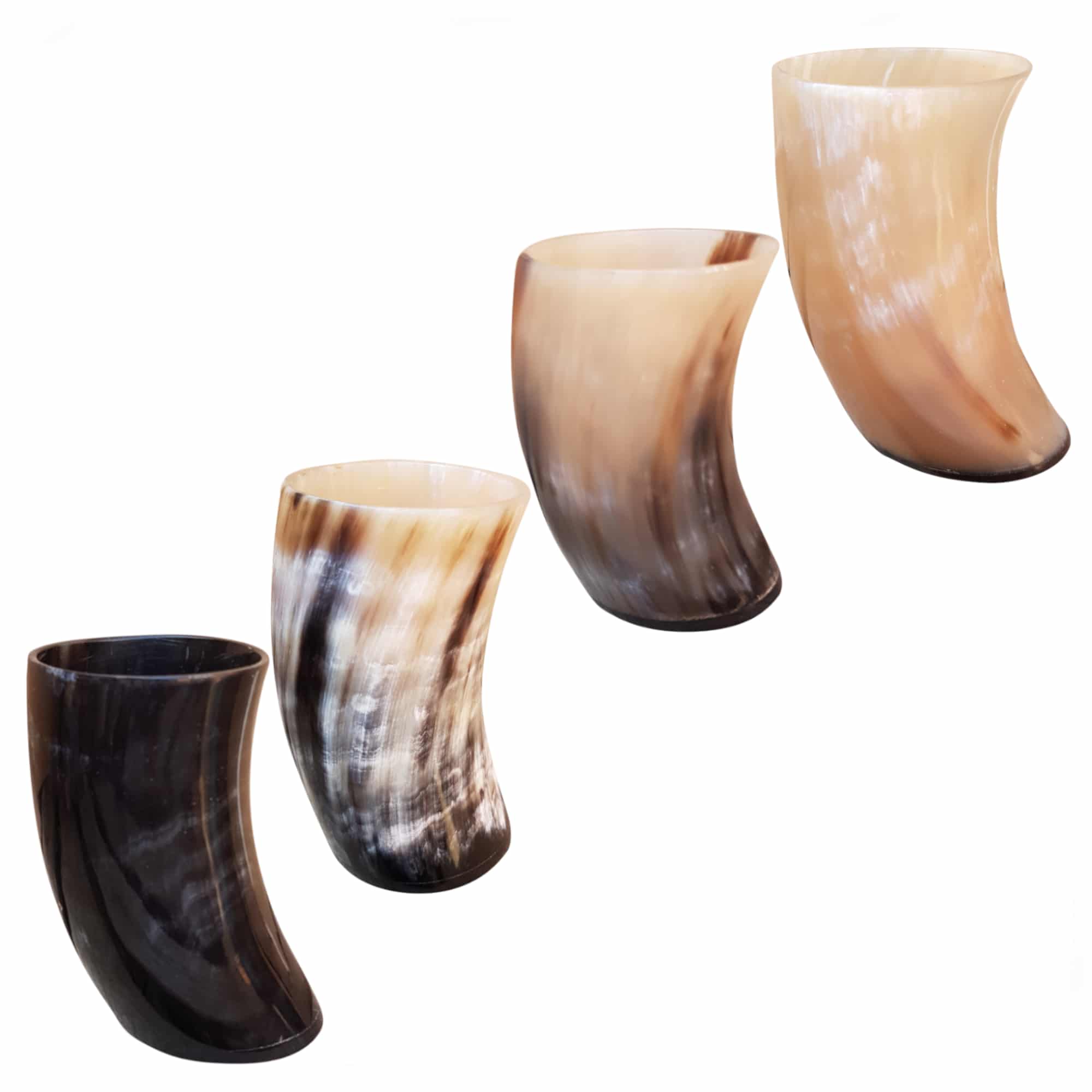
The traditional vessel for tereré is called a guampa—a cup made from cattle horn, wood, or sometimes stainless steel. The horn’s natural insulation helps keep the drink cold longer. Any tall glass or cup will work, but using a guampa adds authenticity to the experience. Learn more in our guide to mate cups and gourds.

Bombilla
The bombilla is a metal straw with a filtered end that allows you to drink the liquid while keeping the yerba leaves out. For tereré, a bombilla with a spoon-shaped filter works best as it’s less likely to clog with the larger cut yerba typically used for cold preparation.
Termo or Flask
A thermos or insulated flask keeps your cold water or juice icy throughout the session. Traditional Paraguayan termos have wide openings that accommodate ice cubes, fruit slices, and herbs. Look for one with at least 1-2 litre capacity—tereré sessions can last a while!
Step-by-Step Tereré Recipe
The Traditional Method
Step 1: Prepare Your Liquid
Fill your thermos with cold water, plenty of ice, and any additions you’re using (citrus slices, herbs, or a splash of juice). Give it a shake and let it infuse for a few minutes while you prepare the guampa.


Step 2: Fill the Guampa
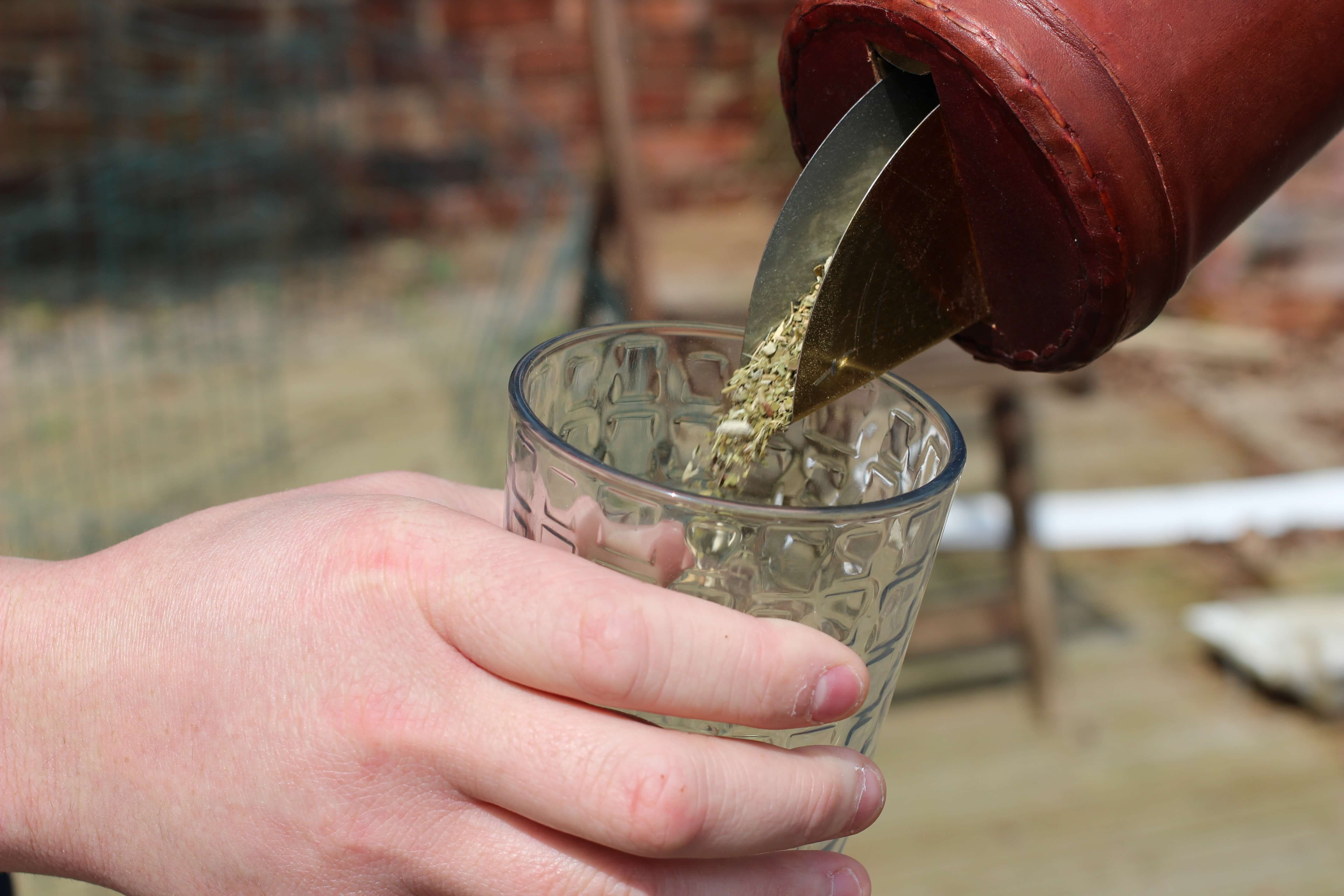
Add yerba mate to fill about one-third to one-half of your guampa. Don’t pack it too tightly—the water needs room to flow through.
Step 3: Create the Mountain
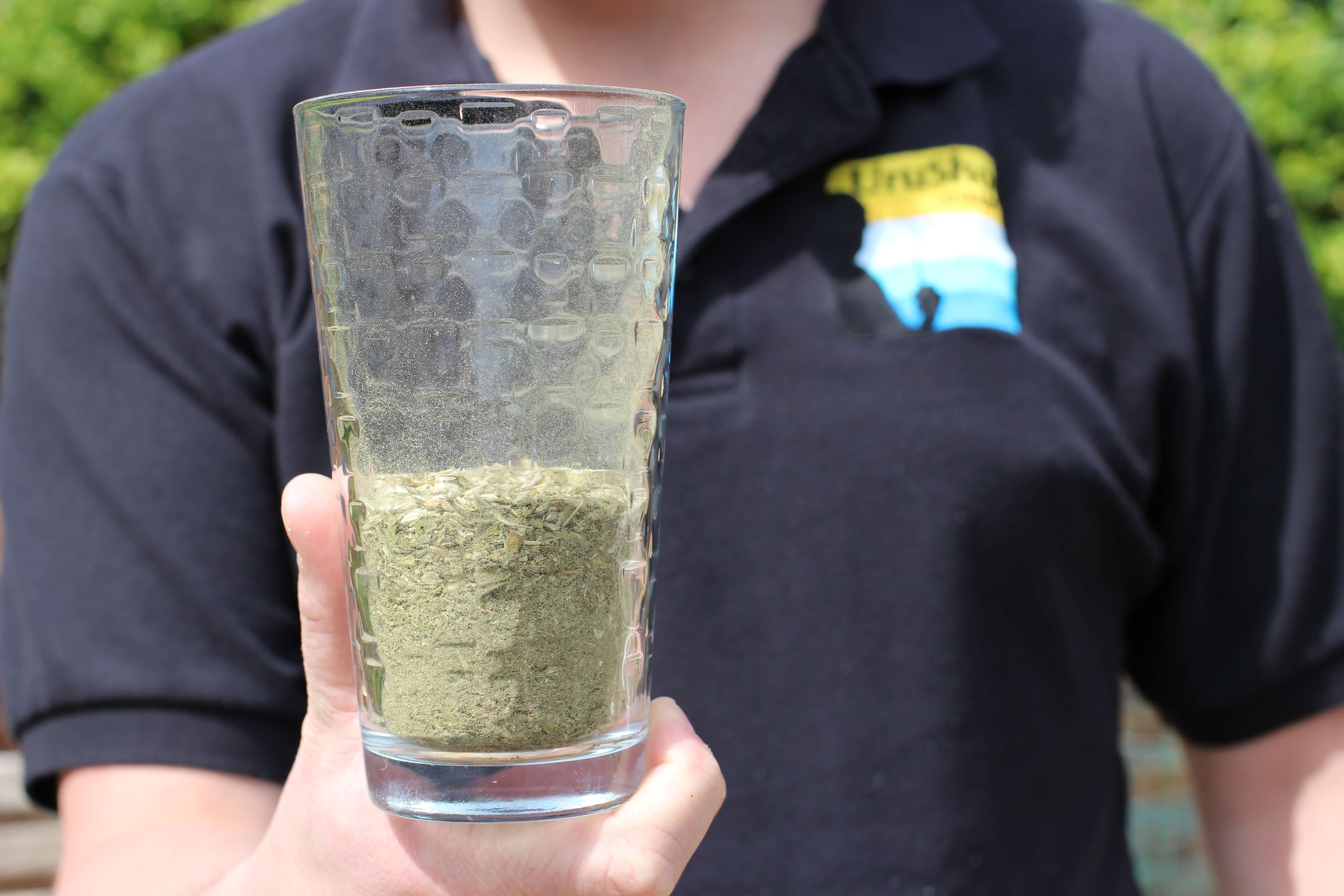
Cover the top of the guampa with your palm and tip it to about a 45-degree angle. Give it a gentle shake. This settles the finer particles to the top and creates a slope of yerba inside the cup.
Step 4: Insert the Bombilla
Keep the guampa tilted and insert the bombilla into the lower side of the slope, pressing it gently to the bottom. Cover the mouthpiece with your thumb as you insert it—this prevents air from entering and helps create better suction.
Step 5: Add the Cold Water
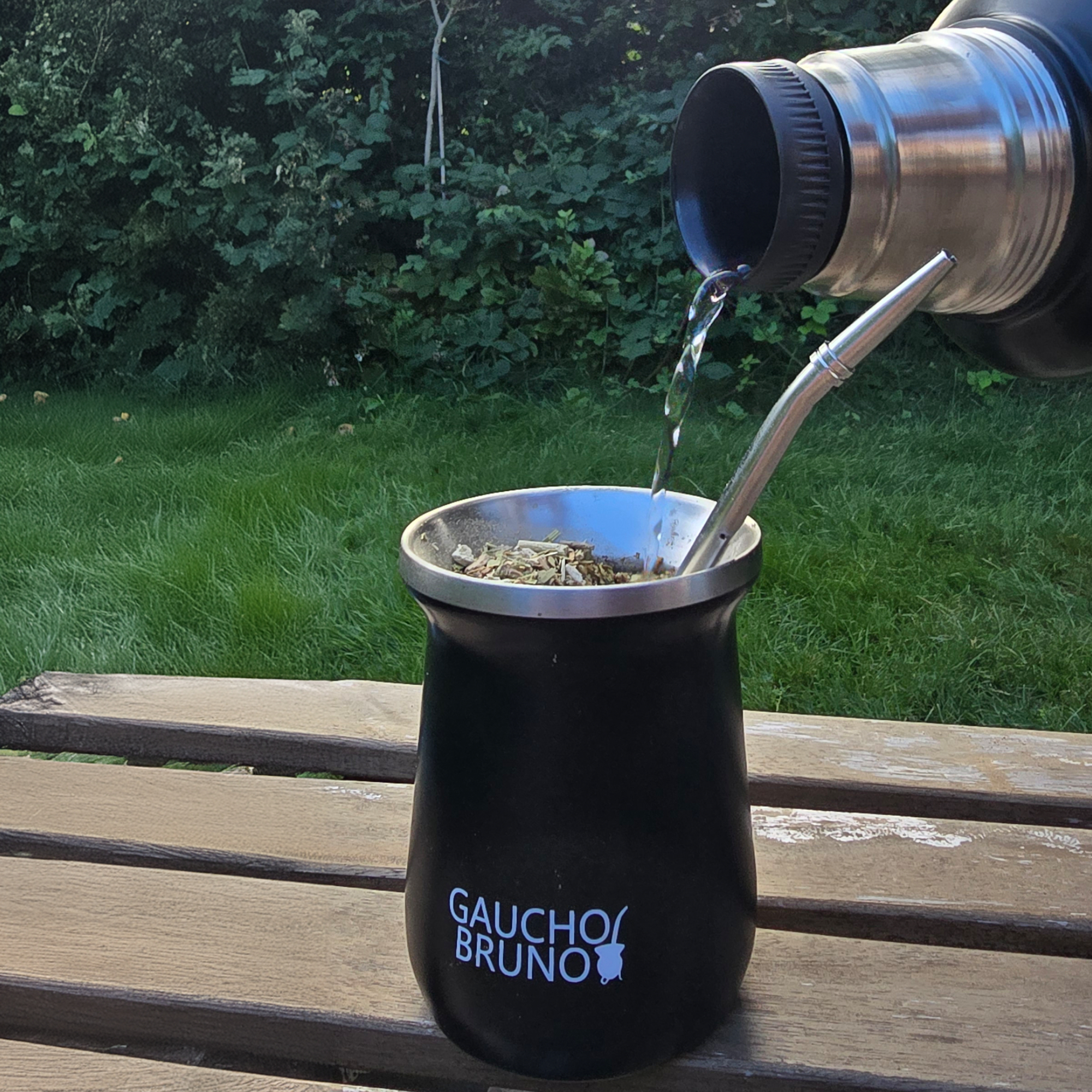
Still keeping the guampa tilted, pour cold water from your thermos into the lower side where the bombilla sits. The water should come about three-quarters up the guampa. The yerba on the higher side stays dry, giving you more flavour for subsequent refills.

Step 6: Drink and Refill
Sip through the bombilla until you hear the gurgling sound that indicates the water is finished. Refill from your thermos and continue. When the flavour weakens, you can flip the bombilla to the dry side for a few more rounds, or start fresh.
Tips for the Perfect Tereré
- Never stir – Moving the bombilla disturbs the yerba mountain and can clog your straw
- Keep the top dry – This gives you more refills before the flavour fades
- Use quality yerba – Stale yerba produces a flat, dusty taste
- Finish each serving – Don’t pass a half-drunk cup; finish your turn before passing
- Pass to the right – In traditional Guaraní custom, the cup always moves rightward
Tereré Without a Bombilla (Iced Tea Style)
Don’t have a bombilla yet? You can still enjoy cold yerba mate using the cold brew method:
- Add 2-3 tablespoons of yerba mate to a large jar or French press
- Pour in cold water (about 500ml)
- Refrigerate for 4-8 hours (or overnight for stronger flavour)
- Strain through a fine sieve or the French press filter
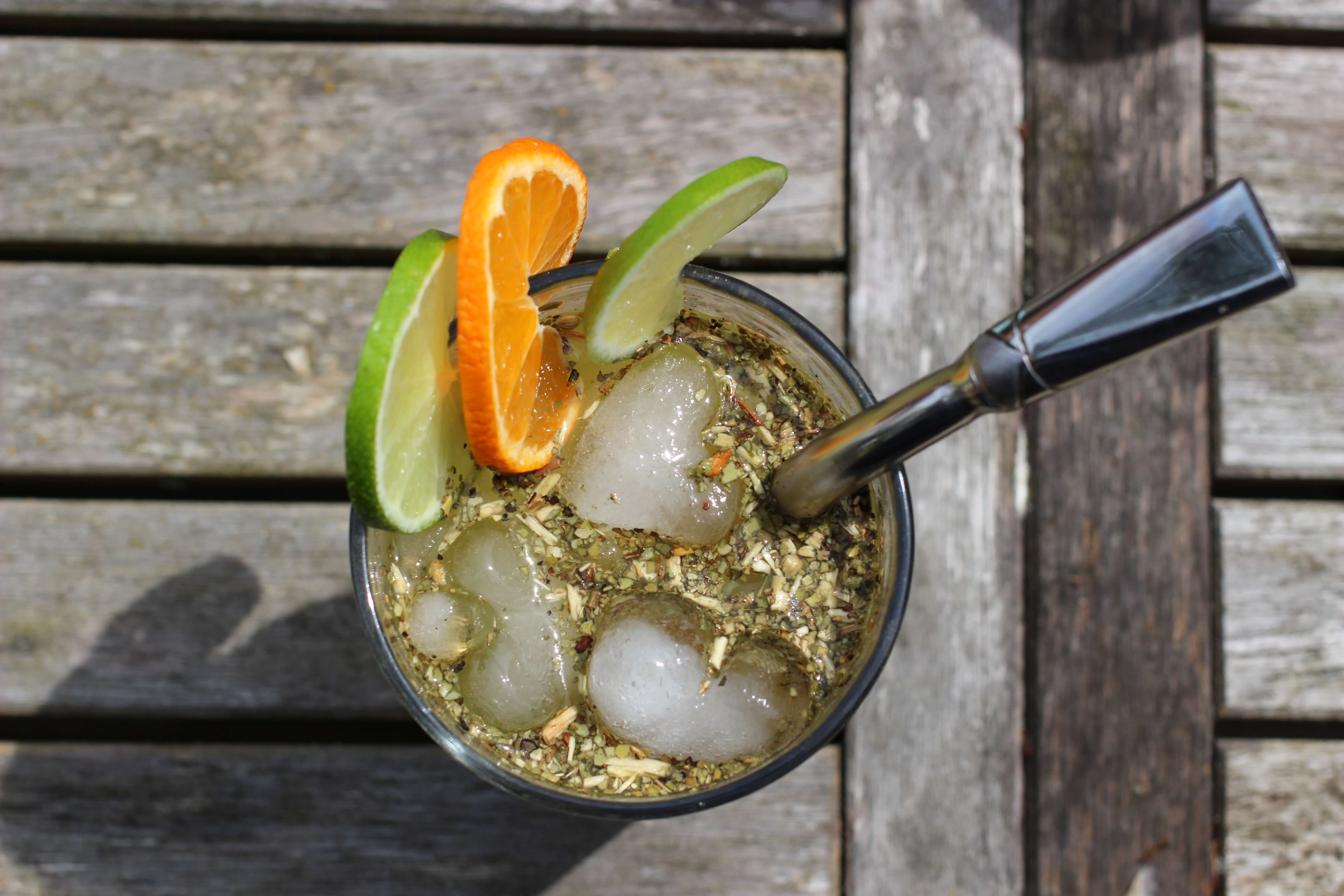
- Serve over ice, optionally with a squeeze of lemon or orange
This Western-style cold brew yerba mate produces a smoother, less bitter drink than the traditional bombilla method. It’s a great introduction for anyone used to drinking iced tea and a convenient option for the office or on the go.
Tereré Etiquette: The Social Ritual
Tereré is a communal experience with its own customs. Understanding the etiquette makes the experience more meaningful:
- The cebador – One person (the cebador or server) prepares and serves the tereré for the group. They drink the first pour themselves to check the flavour before passing.
- Pass to the right – The guampa always moves clockwise around the circle. Accept it with your right hand.
- Finish your turn – Drink all the liquid until you hear the gurgling sound, then return the guampa to the cebador for refilling. Don’t pass a half-drunk cup.
- Say “gracias” to stop – When you’ve had enough, say “thank you” as you return the guampa. This signals you don’t want another round.
- Never stir – Don’t move the bombilla around. The cebador positions it carefully, and stirring will clog it.
- No rush – A tereré circle (ronda) is meant to be relaxed. Conversation, laughter, and shared time are as important as the drink itself.

Popular Tereré Variations
Tereré Clásico (Classic)
Plain cold water with lots of ice. Simple, refreshing, and the purest expression of yerba mate’s natural flavour.
Tereré con Jugo (Juice Tereré)
Made with orange juice, lemonade, or any citrus juice. In Paraguay, this is called tereré ruso (Russian tereré), named after the Eastern European immigrant communities—primarily Polish, Ukrainian, and Belarusian—who popularised adding fruit juice to the traditional cold water preparation in the early 20th century.
Tereré con Pomelo (Grapefruit)
A slightly bitter variation using fresh grapefruit juice. Some enthusiasts hollow out a grapefruit and use it as the serving vessel!
Check out our Red Grapefruit Tereré with Cucumber and Mint recipe for a refreshing twist.


Tereré con Coco (Coconut)
Using coconut water as the base creates a naturally sweet, hydrating version that’s especially popular in summer.
Tereré con Yuyos (Herbal)
The traditional Paraguayan way—cold water infused with fresh medicinal herbs. The herb selection depends on what you need: mint for cooling, boldo for digestion, or cedrón for relaxation.
Tereré Tropical
A modern twist using pineapple or passion fruit juice with fresh mint. Not traditional, but delicious.
Health Benefits of Tereré
Tereré offers many of the same health benefits as hot mate, with some unique advantages:
Antioxidants
Yerba mate is rich in polyphenols—plant compounds with antioxidant properties. Cold water extraction may actually preserve more of these delicate compounds compared to hot brewing.
Gentle Energy
The combination of caffeine, theobromine, and theophylline provides sustained energy without the crash often associated with coffee. Because cold water extracts these compounds more slowly, tereré offers a particularly smooth energy experience.
Hydration
Unlike hot mate, tereré contributes directly to your daily fluid intake. In Paraguay’s hot climate, this dual function—hydration plus energy—makes it the ideal daytime drink.
Digestive Support
Many of the herbs traditionally added to tereré (mint, boldo, burrito) have digestive properties. This is why Paraguayans often drink it during or after meals.
No Hot Beverage Risk
In 2016, the International Agency for Research on Cancer (IARC) classified very hot beverages above 65°C as “probably carcinogenic” (Group 2A) for oesophageal cancer. Importantly, IARC simultaneously cleared yerba mate itself of cancer risk—it’s the temperature, not the mate, that’s the concern. Cold tereré eliminates this risk entirely.
Frequently Asked Questions
What is tereré made of?
Tereré is made from yerba mate leaves, cold water or juice, ice, and often fresh herbs called pohã ñana. The yerba mate provides caffeine and nutrients, while the cold preparation creates a refreshing drink perfect for hot weather.
Is tereré the same as yerba mate?
Tereré uses the same yerba mate leaves as traditional hot mate, but it’s prepared with cold water or juice instead of hot water. It’s drunk from a guampa (horn cup) rather than a mate gourd and is Paraguay’s national drink rather than Argentina’s.
Can you make tereré hot?
If you heat it, it becomes regular mate—a different drink with a different character. Tereré is specifically the cold version. The name itself comes from the Guaraní language and refers only to the cold preparation.
What is the best juice for tereré?
Orange juice and lemonade are the most popular choices. Grapefruit, pineapple, and passion fruit also work beautifully. In Paraguay, many people prefer plain cold water with fresh herbs for a more traditional experience.
How much caffeine is in tereré?
A single tereré pour contains roughly 30–50mg of caffeine—comparable to a cup of green tea. Over a full session with multiple refills, you’ll typically consume 80mg or more, similar to a cup of coffee. Because cold water extracts caffeine more slowly, the energy boost feels gentler and more sustained.
What is a guampa?
A guampa is the traditional cup used for drinking tereré, typically made from cattle horn, wood, or stainless steel. The word comes from the Quechua language. Unlike the rounded mate gourd used for hot mate, guampas are taller and narrower, which helps keep the yerba packed and the drink cold longer. Browse our guampa collection to find yours.
What is pohã ñana?
Pohã ñana is a Guaraní term meaning “fine medicine.” It refers to the traditional knowledge of medicinal herbs that Paraguayans add to tereré. Common herbs include mint, lemon verbena, lemongrass, and boldo—each selected for specific health benefits.
Do I need special equipment for tereré?
While traditional equipment (guampa, bombilla, and termo) enhances the experience, you can make tereré with any tall glass and a bombilla. The bombilla is the one essential item—it filters the yerba while you drink.
Shop Tereré Products
Ready to try tereré for yourself? We have everything you need to get started:
Starter Kits
Our Tereré Starter Kits include a traditional guampa, bombilla, and flask—everything you need in one package.
Guampas & Cups
Browse our selection of authentic Paraguayan guampas made from natural horn, stainless steel, or wood.
Thermos & Flasks
Our Large Paraguayan Terere Flasks are designed with wide openings for ice and fruit, and precision pour spouts for easy refilling.
Yerba Mate for Tereré
While any yerba works, Paraguayan brands like Pajarito and Selecta are specially cut for cold preparation. Browse our yerba mate selection to find your favourite.
Recommended Tereré Products

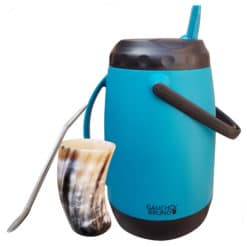
Paraguayan Terere Starter Kit with Guampa Cup
All you need Terere starter kit to brew and drink terere consisting...
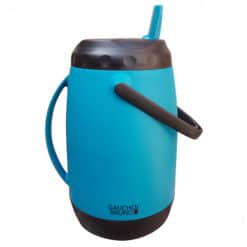
Large Paraguayan Terere Flask
Typical Large Paraguayan Terere Flask. 2.5 Litre volume with large opening for...
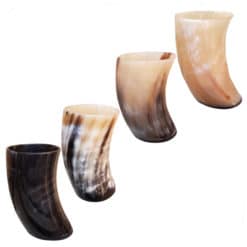
Guampa Mate Cup - Horn
A Guampa mate is a cup made from a bull's horn -...
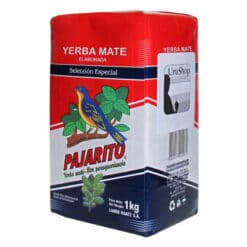
Yerba Mate Pajarito Especial 1Kg
Top quality! 1kg – Yerba Mate Pajarito special blend Paraguayan yerba suitable for...
Frequently Asked Questions About Tereré
What is tereré?
Tereré is a cold infusion of yerba mate, traditionally drunk in Paraguay using a cup called a guampa and a metal straw called a bombilla. Cold water or juice is poured over the yerba mate leaves, creating a refreshing, energising drink. UNESCO recognised tereré as Intangible Cultural Heritage of Humanity in 2020.
What is the difference between tereré and mate?
The main difference is temperature: mate is brewed with hot water (70-80°C), while tereré uses cold water or juice. Tereré is typically served in a guampa (horn or wooden cup) rather than a gourd, and Paraguayan yerba mate blends used for tereré often include medicinal herbs. The flavour is milder and more refreshing than hot mate.
Is tereré healthy?
Yes, tereré offers the same health benefits as hot yerba mate, including antioxidants, vitamins, and natural caffeine for sustained energy without the jitters. Cold brewing may preserve more heat-sensitive nutrients. Tereré is naturally low in calories when prepared with plain water.
What yerba mate is best for tereré?
Paraguayan yerba mate brands work best for tereré because they are finely cut and designed for cold extraction. Popular choices include Pajarito, Selecta, and Kurupi. Any yerba mate will work, but Paraguayan blends release flavour more effectively in cold water.
Can you make tereré with juice instead of water?
Yes, making tereré with fruit juice is very popular in Paraguay. Common choices include orange, grapefruit, lemon, and pineapple juice. The juice adds natural sweetness and flavour to the yerba mate. Many Paraguayans also add fresh herbs like mint, lemongrass, or medicinal plants called pohã ñana.
Embrace the ritual that has refreshed Paraguayans for centuries. Whether you’re seeking a coffee alternative, a social tradition to share with friends, or simply the most delicious way to beat the heat, tereré delivers.