Close
You have no items in your shopping cart.
RSS

Blog

Banoffee Pie Recipes with a Twist!- 24 April 2013

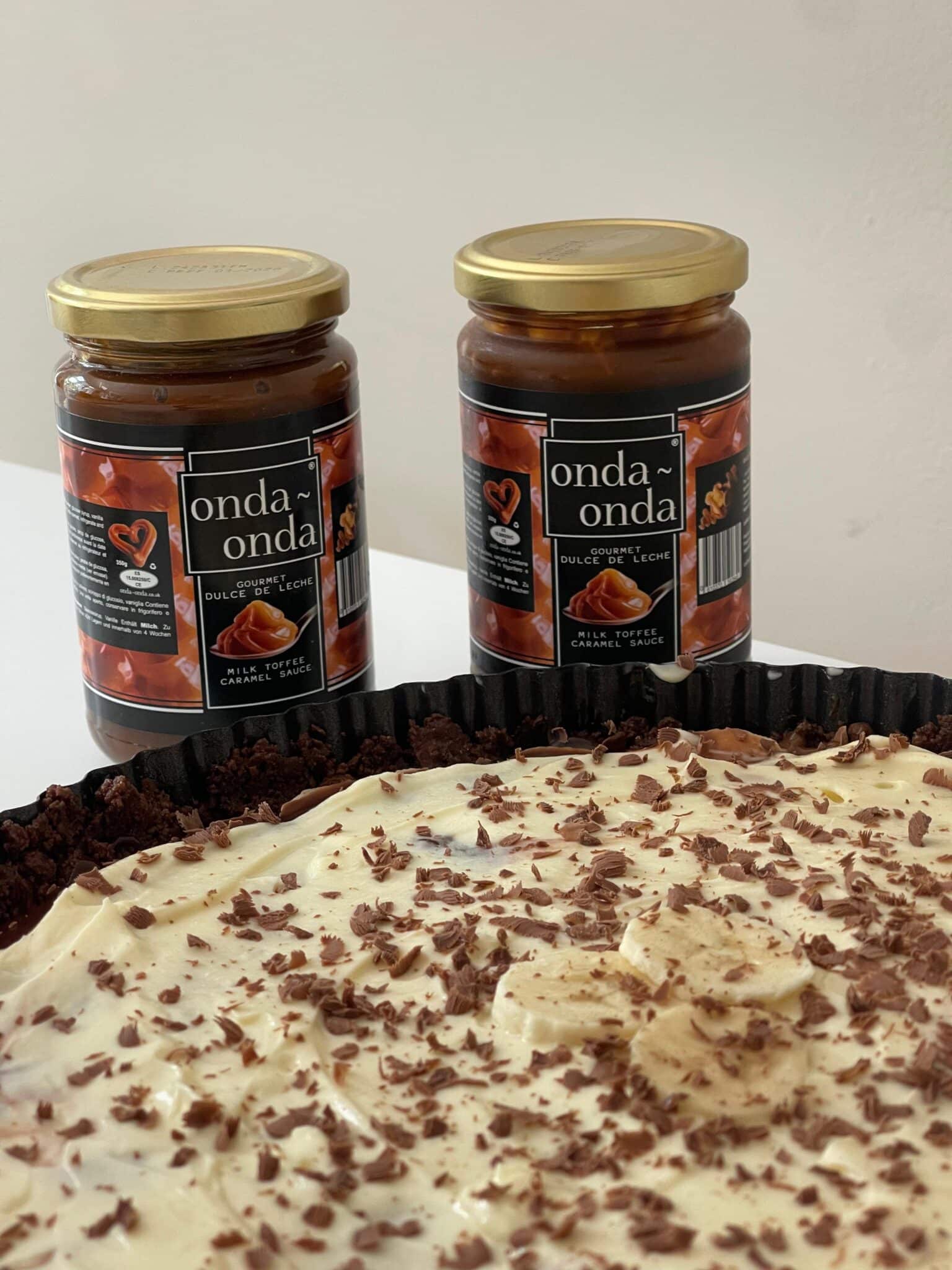
Banoffee Pie is a classic dessert - with the mixture of banana and dulce de leche (toffee) at its heart. Here is a simple recipe for a classic banoffee pie:

Ingredients

  • 250g Digestive Biscuits
  • 100g Butter (melted)
  • 400g Dulce de Leche
  • 2 Bananas
  • 300ml Double Cream (whipped)
  • Grated chocolate, optional to decorate

  1. Grind the biscuits into a mixture resembling fine breadcrumbs. You can use a food processor if you have one. Put into a bowl & stir in the melted butter
  2. Put the mixture into a lightly greased cake tin (approx 20cm, loose-bottomed tin if you have one). Press down into the base. Chill in the fridge for 30 mins
  3. Spoon the dulce de leche over the biscuit base. Cover with a layer of sliced bananas. Add the whipped cream on top, and decorate with grated chocolate if you wish

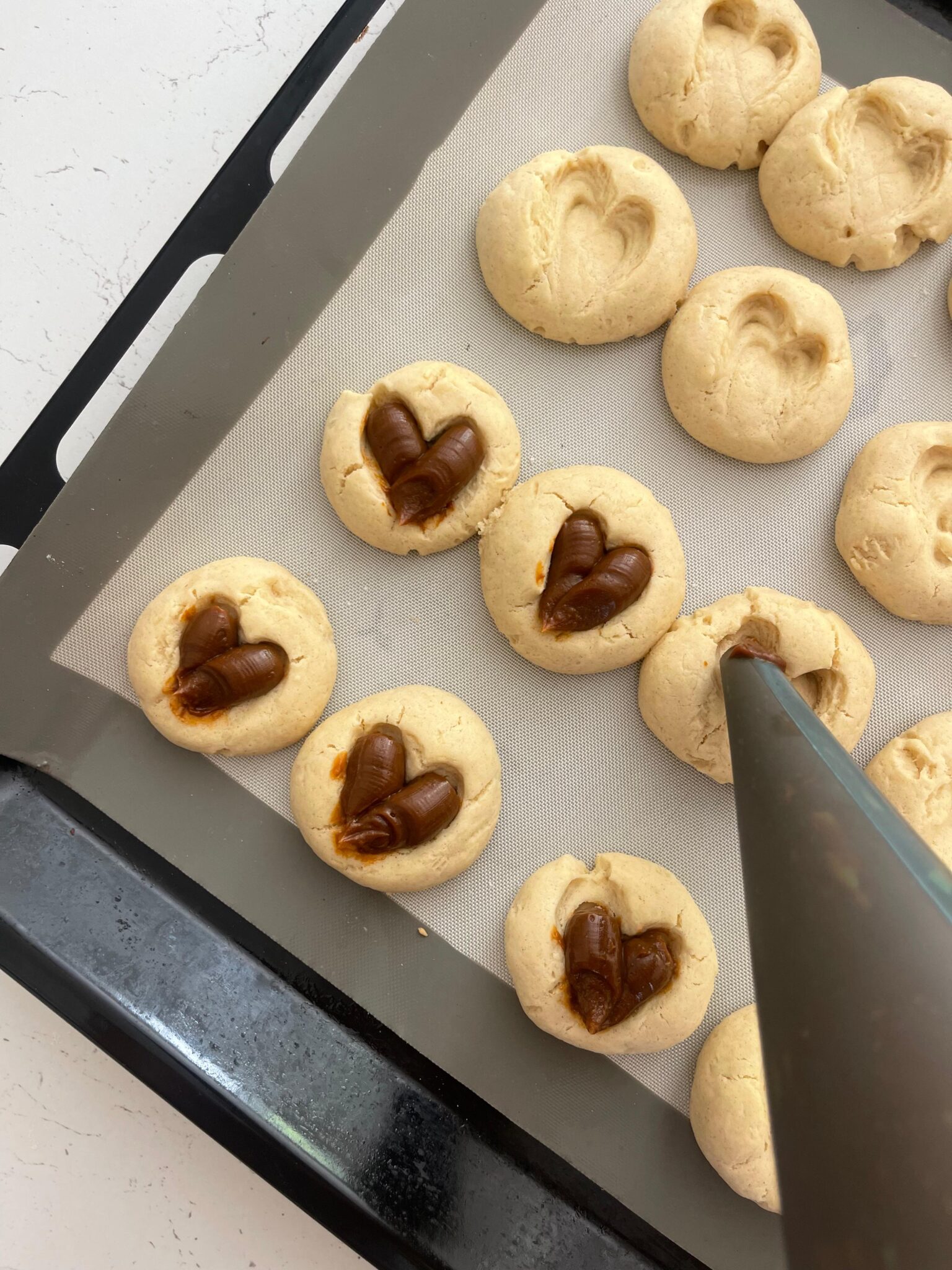
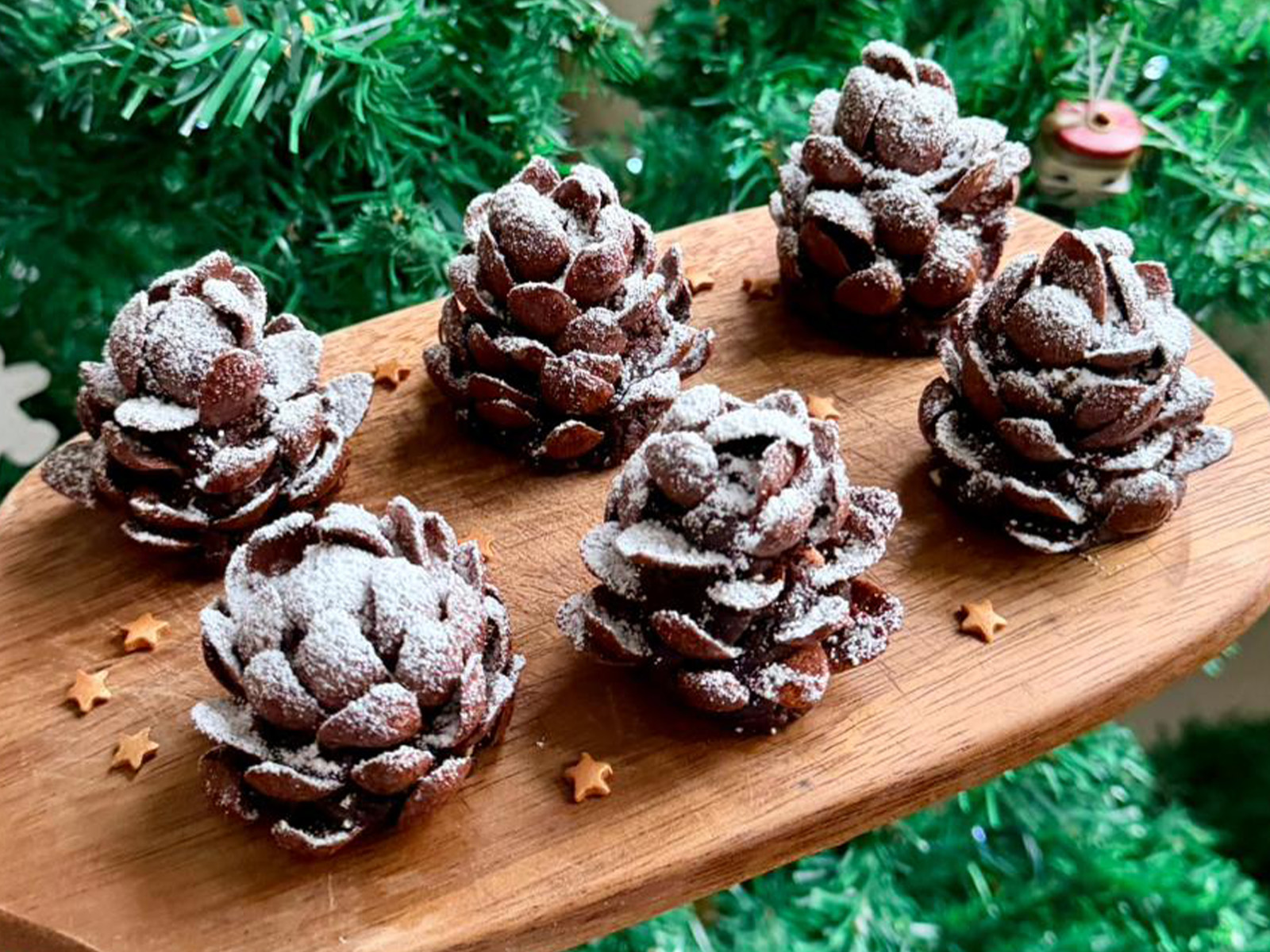
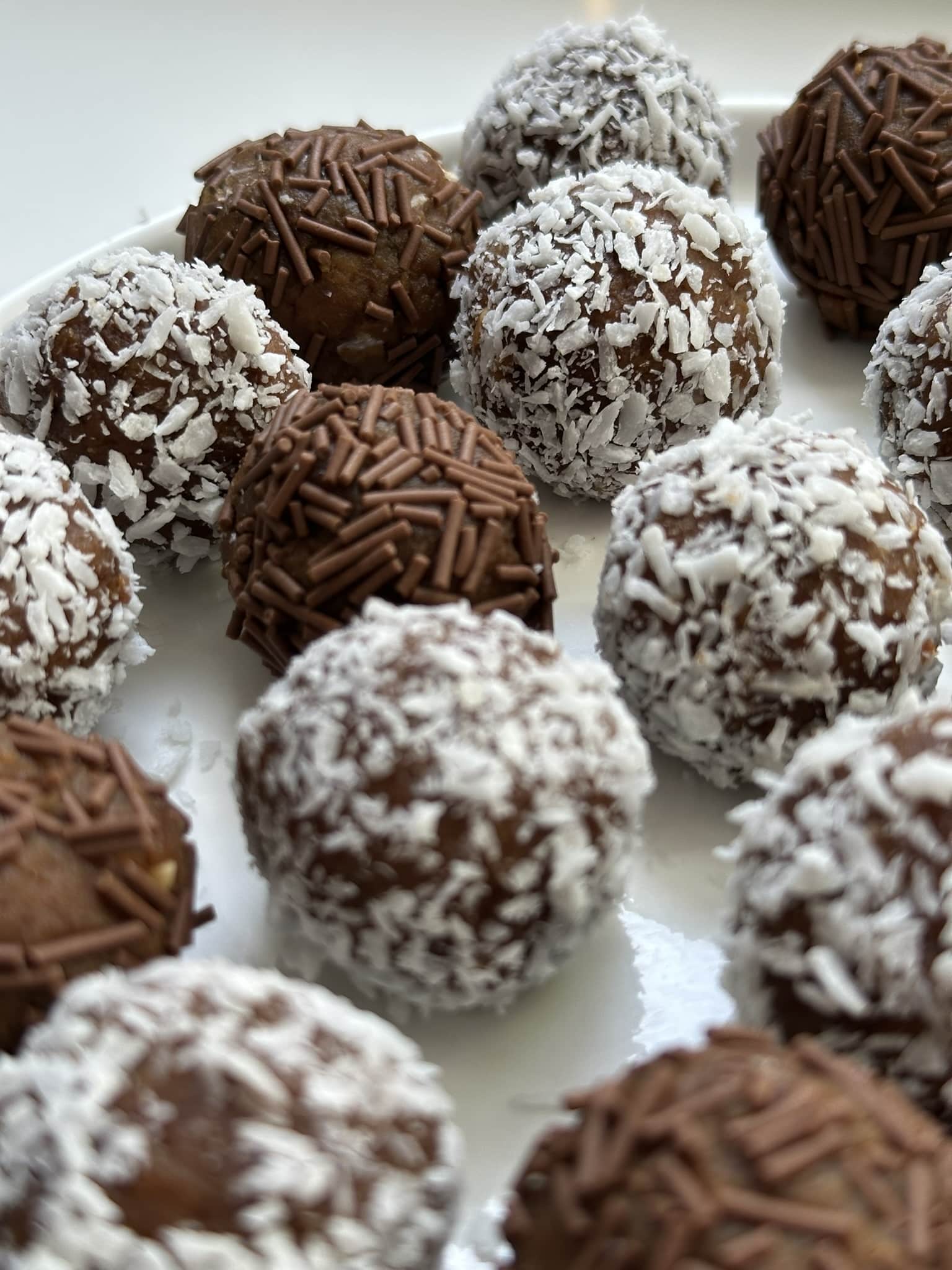
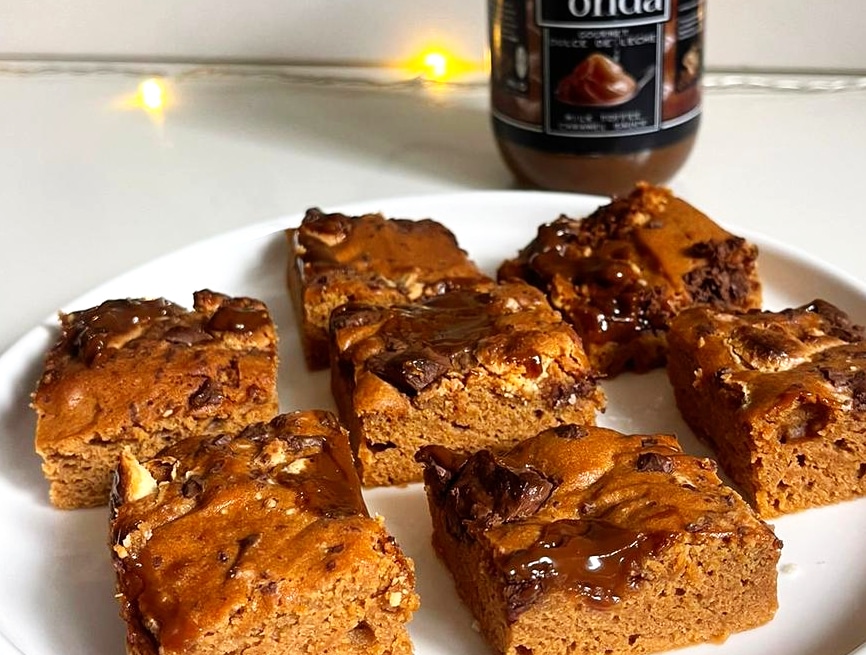
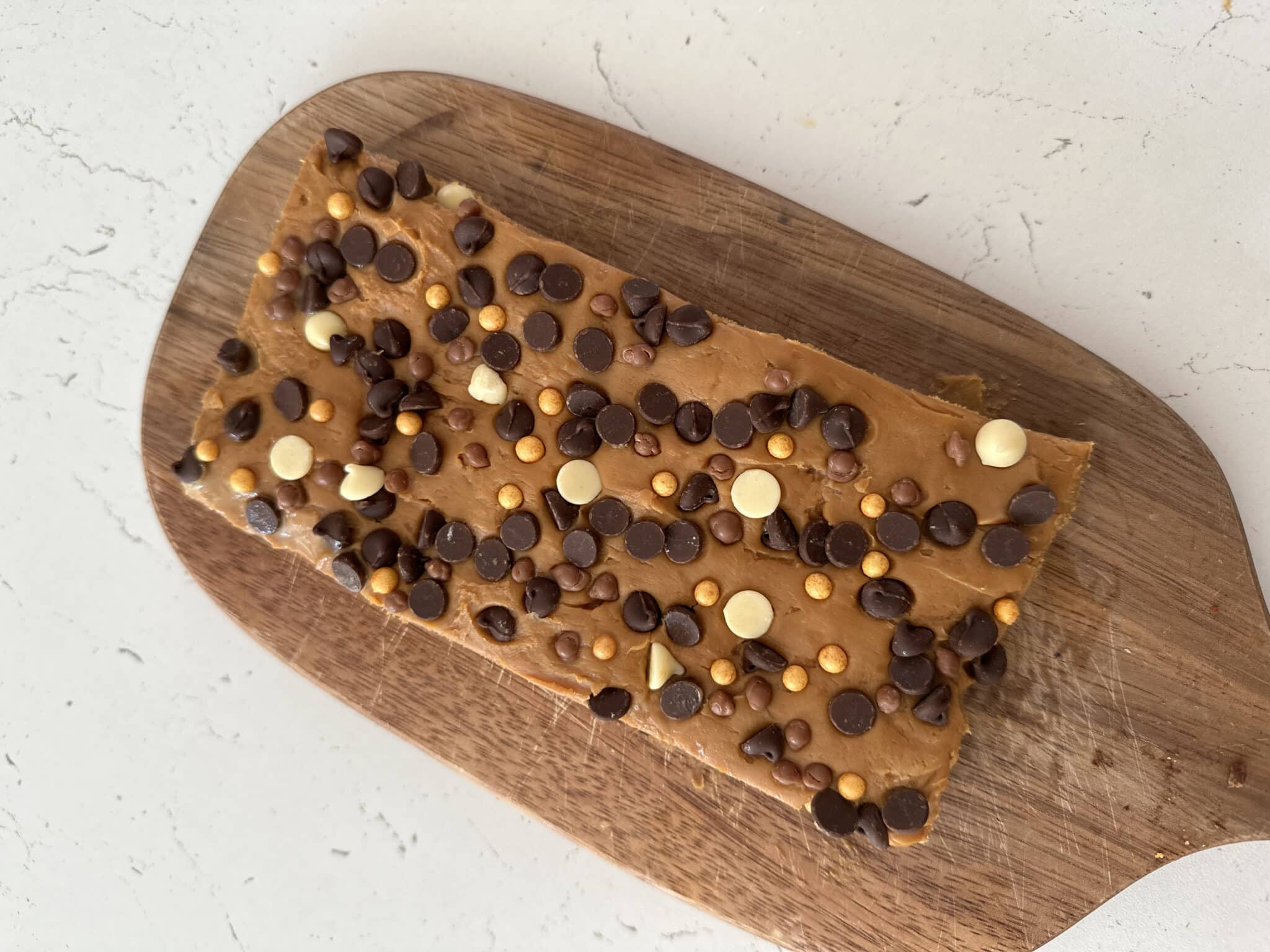
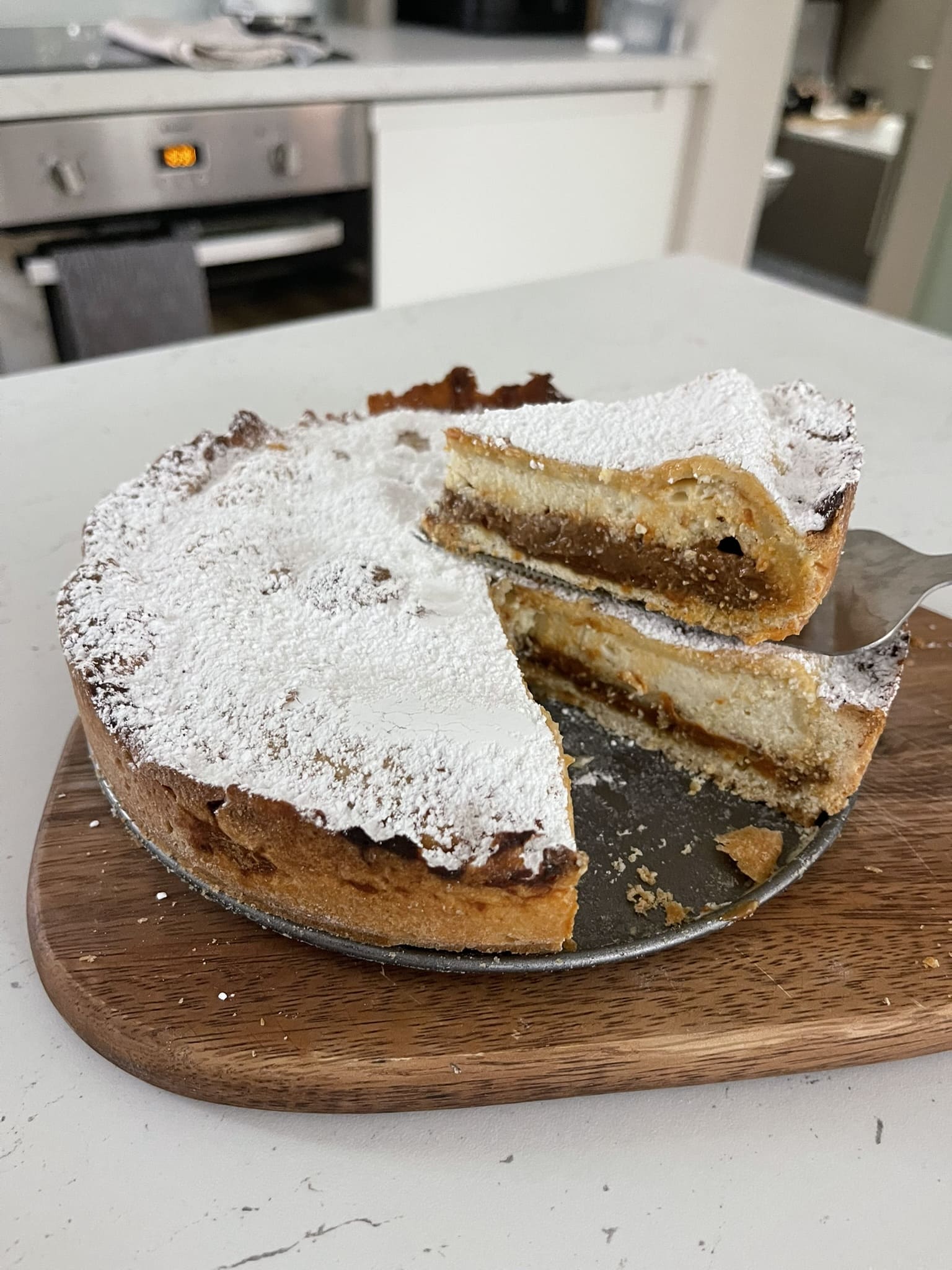
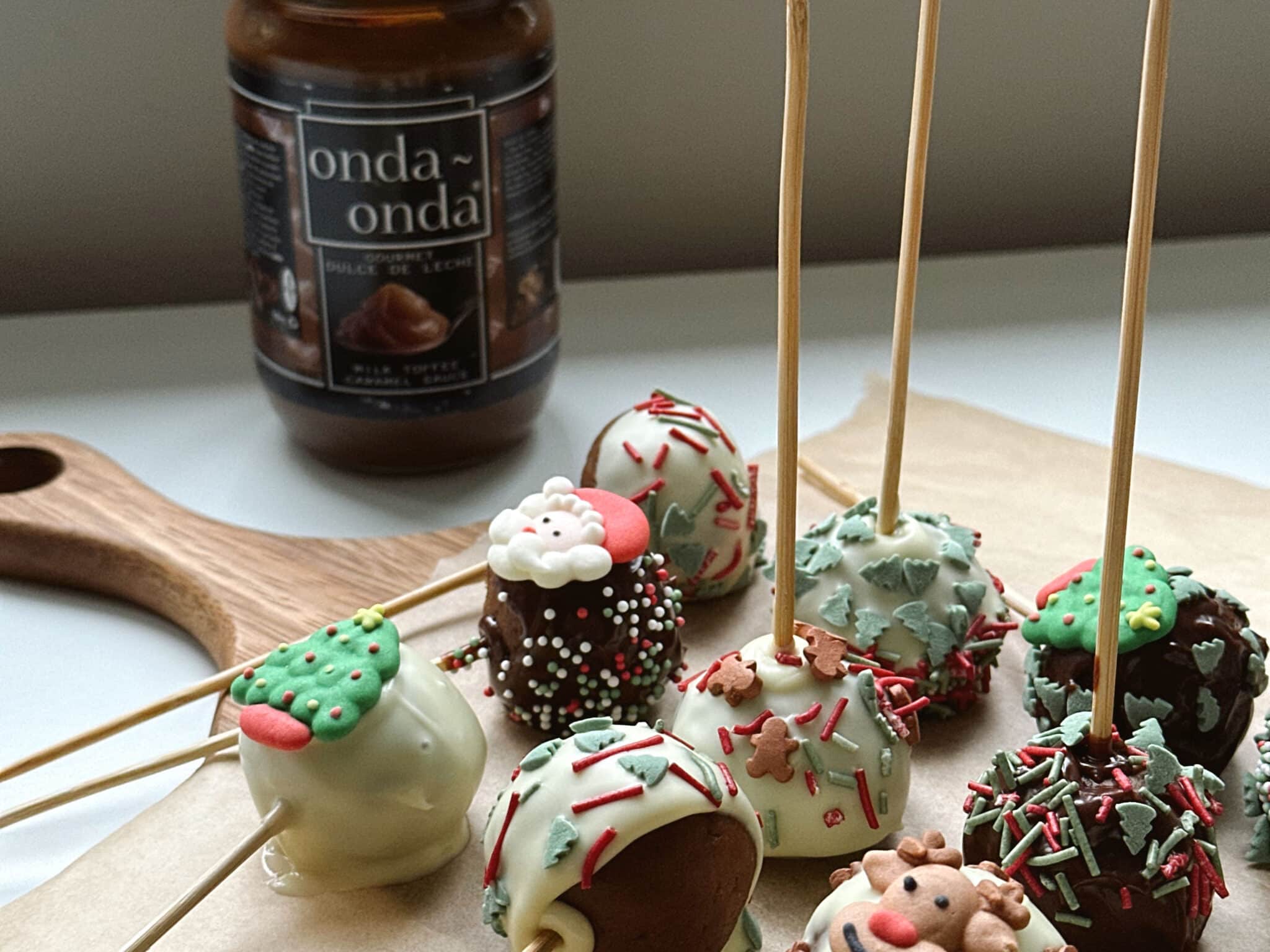
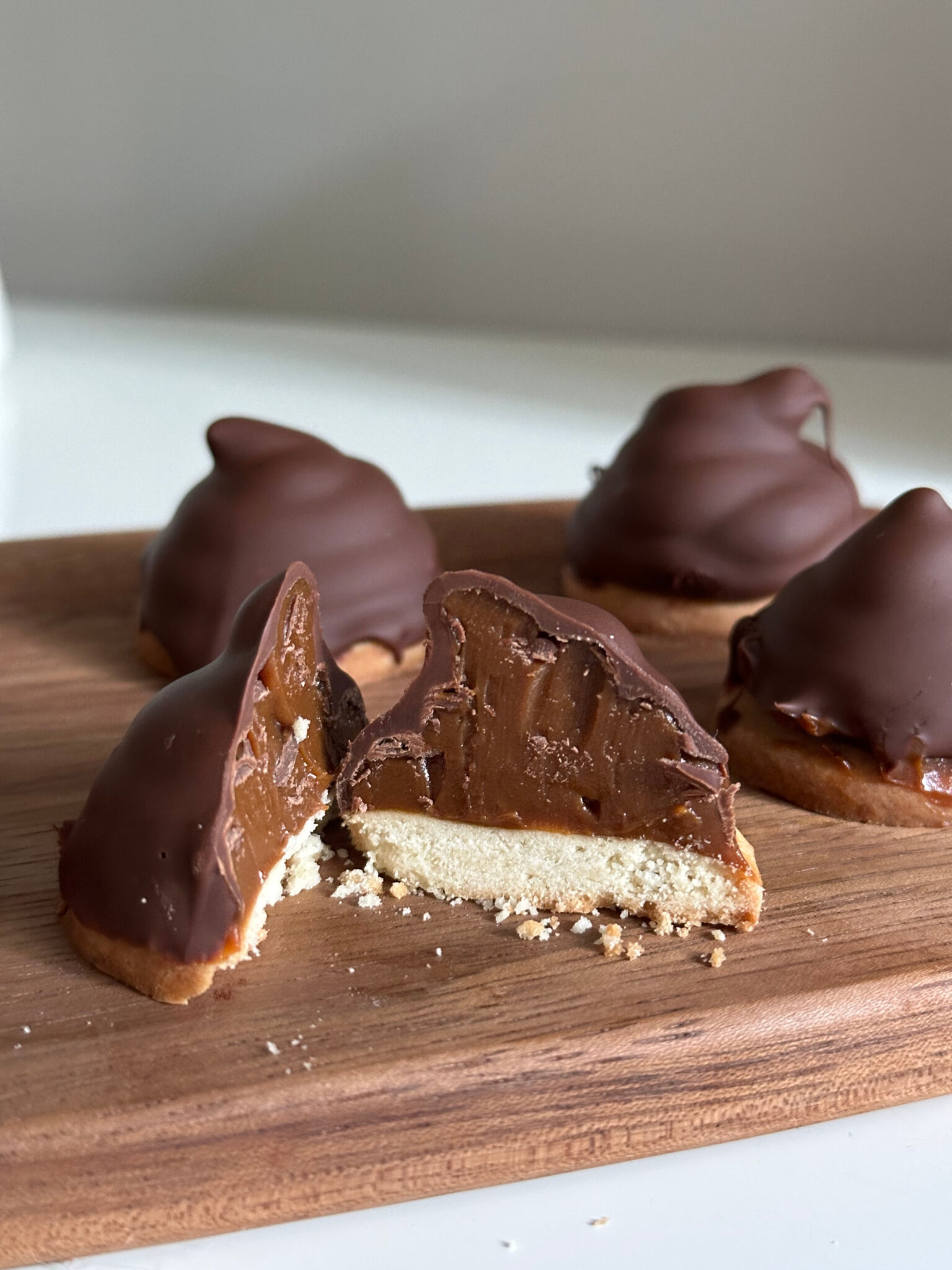
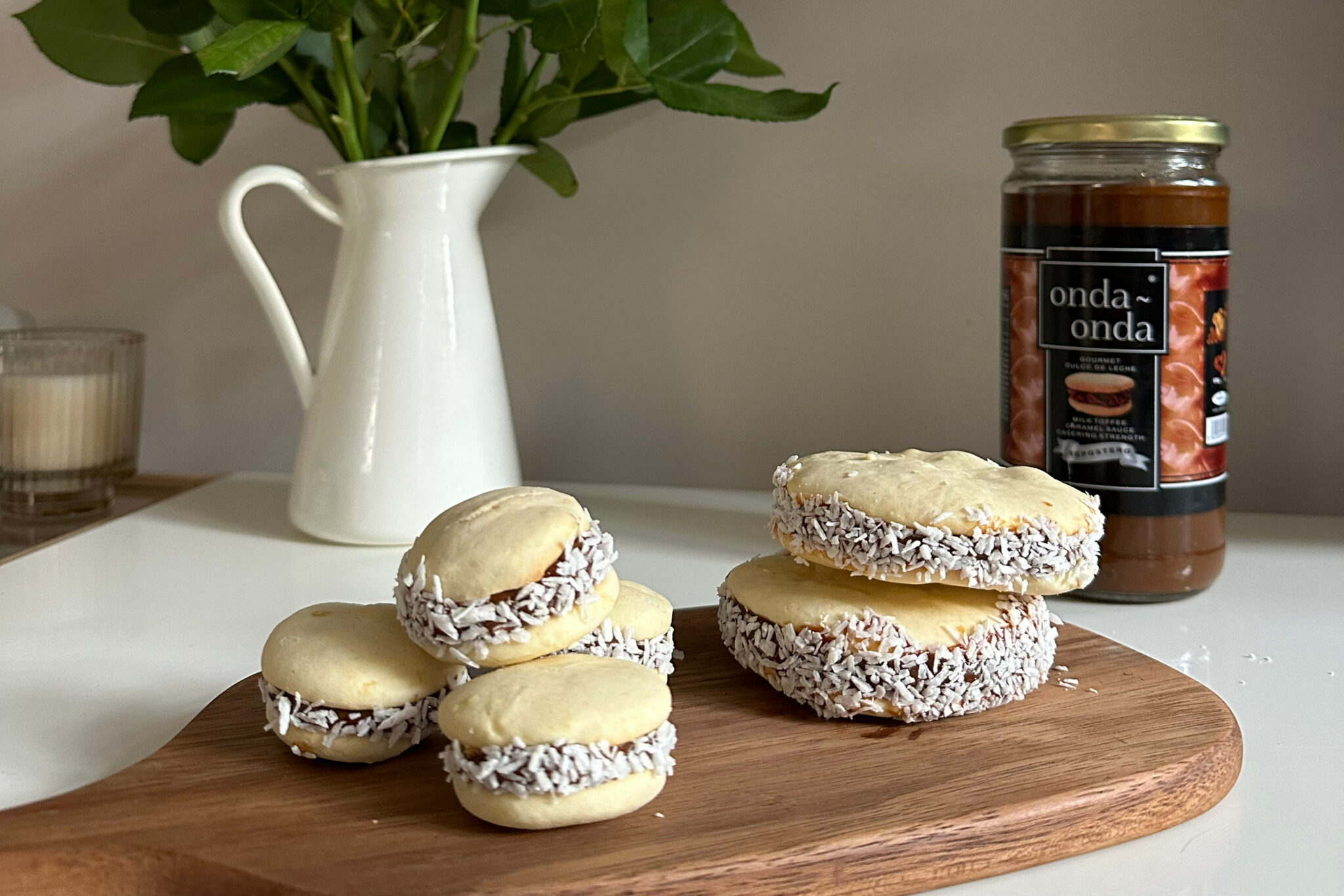
BUT the combination of banana and dulce de leche is dynamite, and you don't have to stick to the classic pie format - it will taste amazing in any format! As long as you have the key ingredients of banana and dulce de leche, add to any kind of base (cake, ice cream etc) and finish with cream or chocolate - or just leave as it is - and you will create the most delicious desserts! Here are some suggestions:


Recipe courtesy of bbc.co.uk

Photos courtesy of mattbites.com

Tags :  dulce de lecherecipes
Dulce de Leche and Chocolate Cups Recipe- 09 July 2012

Easy to make chocolate cups filled with a dulce de leche caramel filling.

Ingredients

Dulce de Leche caramel

Cooking chocolate

Chopped nuts (any kind depending on your taste)

Small paper cases

Method

Mix the dulce de leche with the chopped nuts - set aside. Melt the chocolate and spoon a teaspoon into the paper cases. Use a small brush to spread the chocolate around the case, then put in the fridge to allow to set.


Once set, fill the cups with the dulce de leche and nut filling. Use more melted chocolate to cover the top and decorate with nuts. Refrigerate again until set.


Source: ohnuts blog

Tags :  dulce de lechefoodrecipes
Yerba Mate & Bone Density- 09 May 2012

The Faculty of Medical Science in Mendoza, Argentina conducted some research in 2011 to take a closer look at the effect of yerba mate on bone density.

All subjects were pre-menopausal women with no significant differences in diet or activity levels; the a control group were non-drinkers of yerba mate; the other group were classed as mate-drinkers - having a regular intake over a minimum of 5 years.

Bone density was measured in both the lumbar spine, and femoral neck, and it was noted that the mate consumers had consistently higher bone density than the control group.

This was unexpected, as the researchers had expected to find a negative effect on bone density due to the caffeine in yerba mate, but instead found a consistantly higher bone density of yerba mate drinkers. Below are some of the graphs taken directly from the study write-up.

This was a preliminary study, and would need follow up to determine the significance and/or mechanism of the findings. The researchers have hypothesised that if the effect is proven significant, is most likely related to the organic compounds that contain active compounds with favourable effects on bone biology – yerba mate is rich in many of these such as polyphenols, saponins and flavonoids, which would be a good brief for further study.

For further reading on this research, see the full article titled: "Yerba Mate (Ilex paraguariensis) consumption is associated with higher bone mineral density in postmenopausal women".

Source: Bone Journal, January 2012

Mango ‘millefeuille’ with dulce de leche caramel slice and white chocolate sorbet- 17 March 2012

Layers of mango jelly and dulce de leche sponge make this decadent dessert a sweet treat. This recipe was used by Shelina Permalloo, the 2012 winner of Masterchef.

Ingredients

For the mango ‘millefeuille’

  • 2 sheets leaf gelatine
  • 200g/7oz sugar
  • 100ml/3½fl oz water
  • ½ tsp rosewater
  • 2 fresh magoes, peeled, stones removed, flesh sliced thinly using a mandolin

For the white chocolate and rum sorbet

  • 100ml/3½fl oz milk
  • 250ml/8fl oz water
  • 100g/3½oz good-quality white chocolate buttons
  • 1 vanilla pod, seeds scraped out using the tip of a knife
  • 25ml/1fl oz white rum

For the strawberry coulis

  • 100g/3½oz ripe strawberries, hulls removed, chopped, plus 4 extra, to serve, sliced and fanned out
  • 100ml/3½fl oz raspberry liqueur
  • 100g/3½oz sugar
  • 200ml/7fl oz water

For the dulce de leche slice

  • 200g/7oz dulce de leche
  • 2 free-range eggs
  • 60g/2½oz plain flour
  • 10g/½oz baking powder
  • 65g/2¼oz butter
  • 1 tbsp golden syrup
  • ½ tsp ground ginger
  • ½ tsp mixed spice
  • ½ tsp ground cinnamon
  • small punnet mint leaves, to serve

Preparation method

  1. For the mango ‘millefeuille’, line an 8cm/3¼in-deep, square baking tin with baking parchment.
  2. Soak the gelatine leaves in a bowl of cold water for 5 minutes, or until softened.
  3. Bring the sugar and water to the boil in a pan, stirring well to dissolve the sugar. Continue to boil for 5-10 minutes to make a light sugar syrup. Stir through the rosewater. Drain the gelatine leaves, squeeze to remove any excess water, then stir them into the sugar syrup until dissolved (this will help it set to a jelly).
  4. Arrange the mango slices in the prepared baking tin. Pour over the jelly mixture. Set aside to cool, then chill in the fridge until set.
  5. Meanwhile, for the white chocolate and rum sorbet, bring the milk and water to a simmer in a saucepan. Add the white chocolate buttons and stir until melted. Stir through the vanilla seeds.
  6. Remove the pan from the heat and set aside to cool. Once cool, stir in the rum.
  7. Transfer the mixture to an ice cream machine and churn for 30 minutes, or according to the manufacturer’s instructions. Once churned, freeze until firm. (Alternatively, if you don’t have an ice cream machine, transfer the custard mixture to a metal or plastic container, set aside to cool, then freeze, stirring the semi-solid mixture with a fork at regular intervals, to break up any lumps.)
  8. For the strawberry coulis, heat all of the strawberry coulis ingredients in a saucepan over a low heat. Continue to cook for 25-30 minutes until the fruit has broken down and the mixture has thickened. Stir regularly so it doesn't catch on the bottom.
  9. Strain the mixture through a fine sieve, then decant into a squeezy bottle. Set the coulis aside until needed.
  10. For the dulce de leche slice, preheat the oven to 150C/300F/Gas 2. Grease a 15cm/6in cake tin with butter and line with baking parchment.
  11.  Mix all of the dulce de leche slice ingredients together until the mixture is smooth and well combined.
  12.  Pour the mixture into the prepared cake tin and bake for 20-25 minutes, or until a skewer inserted into the centre of the sponge comes out clean. Turn the sponge out onto a wire rack and set aside to cool.
  13.  To serve, carefully turn out the mango ‘millefeuille’ and cut into four rectangles. Place one rectangle at the far right of each of four rectangular plates.
  14.  Carefully squeeze 3 lines of strawberry coulis at the far left of the plates. Top the lines with a fanned-out strawberry.
  15.  Using a cookie cutter, cut 6cm/2in rounds from the dulce de leche sponge. Place one round in the centre of the plates and top with a scoop of the coconut and rum sorbet. Garnish the plates with the micro mint leaves.
Tags :  recipesdulce de leche
Mates, Mates, Mates - all you need to know about your yerba mate cup- 12 March 2012

Mates, Mates, Mates - all you need to know about your yerba mate cup

Does it matter what you drink your yerba from? In a word - yes. Keen yerba mate drinkers are very particular - it makes all the difference in taste.

Gourd

To explain - the 'cup' is known as the 'mate'. The original and most popular vessel is made from a gourd, which is the fruit of the calabash plant. Throughout history this fruit has been hollowed out and dried and used as a water-carrying vessel in most cultures and throughout the world. Depending on the variety, the gourd can be of a variety of different shapes and sizes, below is an example of the famous bottle shaped gourd that needs additional support to be free-standing, such as a wire frame (posamate) or wrapped in leather folded in such a way to create a base.

The gourd is by far the most popular recipient for yerba mate which leads to most vessels being referred to as a gourd, whether they are made from a gourd or not.

Due to gourd being a dried out fruit, it is completely normal when you get a new one, that the inside still has the debris from the hollowing out process - paper-like pith, seeds etc. A more expensive gourd, worked by an artesan will probably be cleaned out, however most gourds will have this debris which can simply be removed prior to curing. The curing process can extend the life of the gourd, improve flavour, and most importantly prevents splitting. Moist yerba mate leaves are left for a period of time, which reduces the 'raw' flavour of the gourd. Curing is an art, and many people have their own methods such as using salt, alcohol etc. The gourd adds flavour to the yerba mate, and some people will only use their gourd until there is no more flavour, and then move on to another one. Read more about the curing process here.

Over time, the gourd will continue to cure, gradually lose flavour, and turn from beige to black. Many people are put off by the appearance of the mate when black, although it is safe to drink from, and is completely normal. See below what a gourd looks in its various stages. 

Wood

Wooden mates are also popular, some woods add a very nice flavour to your yerba mate. They are made on a lathe, and as such can be made to size specifications unlike gourds which are whatever shape and size they grow to be. Wooden mates are sometimes wrapped in alimiumium, and sometimes engraved. Two of the most popular wooden mates are Algarrobo and Palo Santo.

Algarrobo is also known as the Carob tree, the fruit of which is traditionally used as a natural sweetener. Mates made of Algarrobo are ideal for flavoured yerba mate as the wood is fragrant and sweet.

Palo Santo is a hardwood native to the tropical and subtropical regions of the Americas. Mates made from Palo Santo are the most popular wooden mates, the taste combination of this fragrant wood and yerba mate is exquisite; the wood itself is beautiful, and is usually crafted to a fine polished finish.


Horn - Guampa

The most traditional mate cup in Paraguay is made from a horn - usually an ox horn - also known as a guampa. Due to the nature of the guampa, the resulting vessel has an iconic arched shape, often decorated with leather coverings, intricate metal rims and chains.


Ceramic/Glass

If you suffer from allergies or acid indigestion, a great alternative to the natural gourd is a glass or ceramic recipient. Some people find that the natural acidity contained in the gourd mixed together with yerba mate produces extra acidity, and as such these new recipients have become increasingly popular. They are often made to look just like natural gourds or guampas, but on the inside are glass or ceramic. There is also an added benefit - cleaning is much easier.


Tags :  GourdInstructionsTradition
Easy Recipe Dulce de Leche Mousse- 23 January 2012

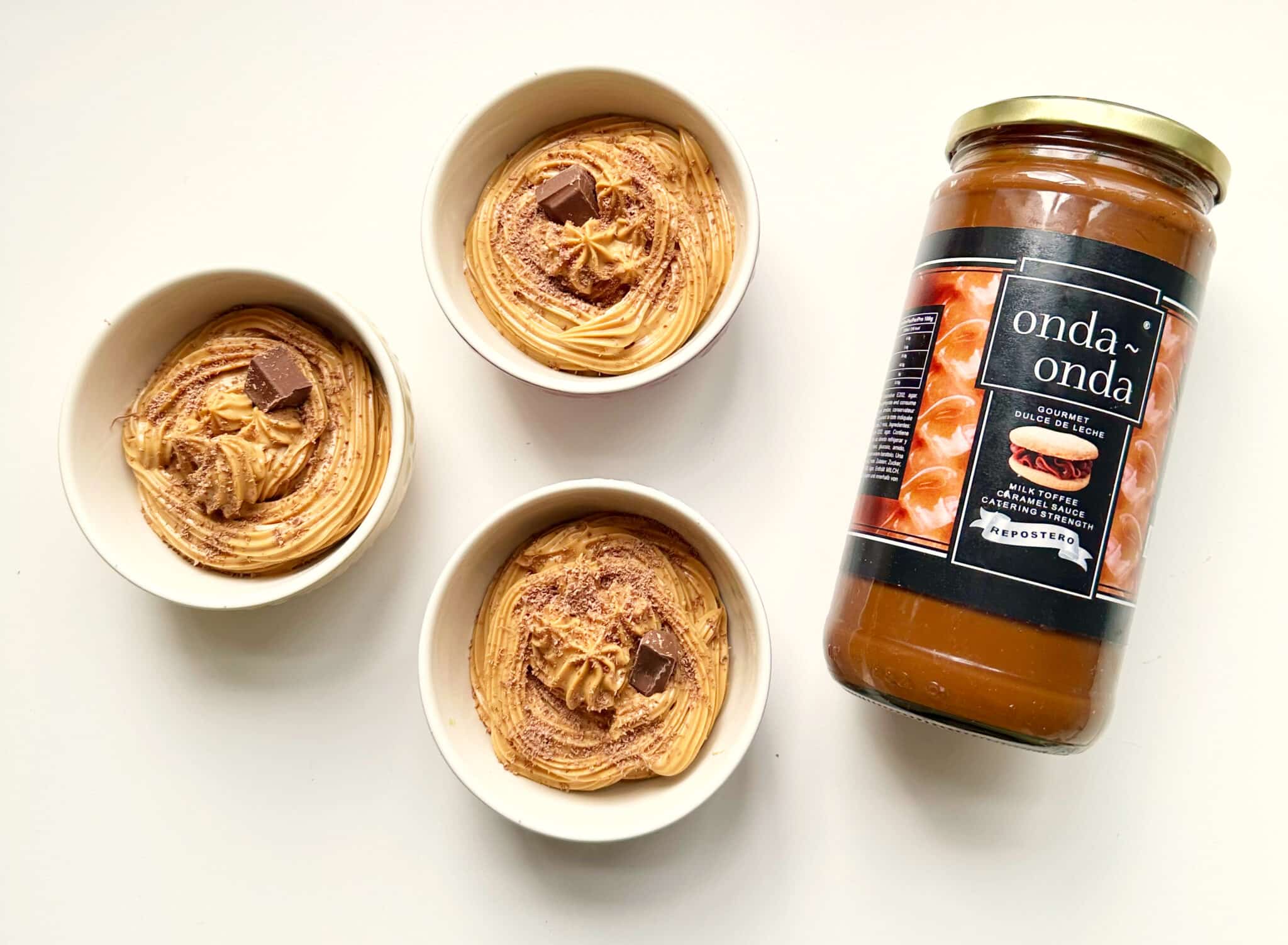
Dulce le Leche is a delicious South American milk-caramel spread that is truly irresistable. Try this recipe for a dulce de leche mouse, extremely simple done in 10 minutes!

Ingredients:

200g Dulce de Leche

400ml Double Cream

Pinch of Salt

A little extra dulce de leche to decorate

Whip the cream with the salt until soft peaks form. Fold in the dulce de leche gently. Divide the mixture into several small bowls or one large bowl as required. Refrigerate until firm, approximately 45 minutes. Add a small dollop of dulce de leche on each mousse to decorate.

Optional enhancements:

  1. You could use catering dulce de leche (repostero/pastelero) this has a much stronger flavour and is a lot thicker
  2. Add fillings such as chopped banana, tinned peaches. Simply mix them into the mixture before leaving to set
  3. Add a chocolate and nut topping. Melt cooking chocolate and pour over the top after the mouse has set. Before the chocolate sets sprinkle some chopped nuts
Tags :  RecipesDulce de LecheFood
Florencia Molina Campos - 04 September 2011

Florencia Molina Campos (1891-1959) was an Argentinian artist who is famous for his illustrations of typical ‘gaucho’ scenes. In 1926 Campos impressed the President of Argentina upon seeing his first exhibition in Buenos Aires.


Campos went on to be commissioned to illustrate a calendar for Alpargatas – the famous makers of espadrilles. This calendar experienced phenomenal success and he continued to produce it for 12 years. Campos continued to experience success with various exhibitions both in Argentina and the USA.

A close friend of Campos was Walt Disney, and Campos was employed a creative artist for Disney. Together they created the scenes and characters of the film ‘Bambi’. Inspiration came from the wildlife on Victoria Island in Patagonia. Campos continued to be employed as a consultant with Disney and worked on other projects such as ‘Saludos Amigos’, ‘The Three Caballeros’ and ‘Alice in Wonderland’.

Many of Campos’ pictures depict typical ‘gaucho’ (cowboy/farmer) scenes, often showing men hunting, women cooking, people drinking yerba mate, cooking outdoors etc. The pictures contained an element of humour, and true grit of real life.


The ‘gaucho’ way of life is an outdoor existence; working the land, handling livestock, eating and drinking simple food and drink. The food eaten would consist of meat, and simple accompaniments such as bread, fried dough mostly cooked on fire. Yerbamate is an important drink, sipped all day long and shared between everyone.


Comments (0)
The Production of Mate Gourds- 12 August 2011

 Plant Information

The calabash plant is a vine that produces ‘pods’ that are very useful because they can be dried and serve as a water container. There are many varieties that come in all shapes and sizes. Maybe the most famous is the gourd that is shaped like a bottle.

A similar tree is the Crescentia that produces very round fruit with the same water-carrying properties when dried.

The fruit of either plant when dried and used as a cup/bottle is known as a gourd. It is cultivated in many parts of the world.


Uses

Primarily the gourds are used as water containers. The calabash is believed to be one of the first cultivated plants for this reason, with evidence to suggest basic farming of the plant over 8000 years ago.  Other used include:

·         Drinkingyerba mate

·         Use as kitchen utensils

·         Made into decorative items such wind chimes, lamps, bird houses, plant pots

·         Baby baths!

·         Hats

·         Intricate art

·         Musical Instruments

·         The young shoots can be used as food


When dried the gourds are very hard and can have beautiful designs carved into their outers.


Growing/Harvest/Process

Both the vine and the tree are cultivated by farmers, both plants are very plentiful.

When harvested the fruit (gourds) need to be dried out, usually out in the sun.


The gourds then need to be hollowed out. The plain, dried gourds are then sold onto various ‘middle-men’ who turn the gourds into the end product. For example artesans buy the plain gourds to carve, paint, varnish etc and sell to their end customer


Use of Gourds for Yerba Mate

The traditional cup to drink yerbamate across South America is the gourd. In its basic form, a plain gourd is used, but various finishing procedures are usual to give the gourd or ‘mate’ a better finish: 

·         a metal rim ‘boquilla’ or ‘virola’ is added to give a smoother rim

·         a metal base may be added so the gourd stands on a flat surface

·         a metal stand ‘posamate’ made of wire is ideal for non-flat based rims

·         the outside of the gourd may be varnished or engraved


Tags :  SocialTraditionGourd
Yerba Mate Latte- 01 August 2011

 Yerba Mate Latte

Have you ever tried making a cafe latte with yerba mate? Quite a kick and is delicious!

To make: use 2 tablespoons per cup required and brew as if making coffee. For the best results top with steamed milk and sweeten. The best yerbamate to use are the 'special blends' (especial) such as Rosamonte Especial.

Alternatively you could use instant yerba mate. The advantages being a far creamier result, no mess and no fuss!


Tags :  EnergyPreparationRecipesYerba Mate
Dulce de Leche- 09 May 2011
Dulce de Leche is a delicious caramel sauce, with a toffee like quality of taste. It is extremely popular in Argentina, Uruguay and Brazil and is used in desserts e.g. cake filling, crepes, pie topping, banoffee pie, ice cream etc etc..
 
You can buy dulce de leche in jars, or if feeling adventurous you could try and make it..
 
3 Litres Milk
1 Vanilla pod
800g sugar
½ tsp bicarbonate of soda
 
Boil the milk, vanilla & sugar together on a strong flame until the sugar has dissolved. Reduce to a low heat and add the bicarbonate of soda. Stir regularly whilst simmering on a low heat until the milk has a thick consistency with a golden brown colour – this may take 2-4 hours!
 
  
Tags :  dulce de lecherecipesfood
1 2 3 Next